
POLYCLINIC

Ophthalmology

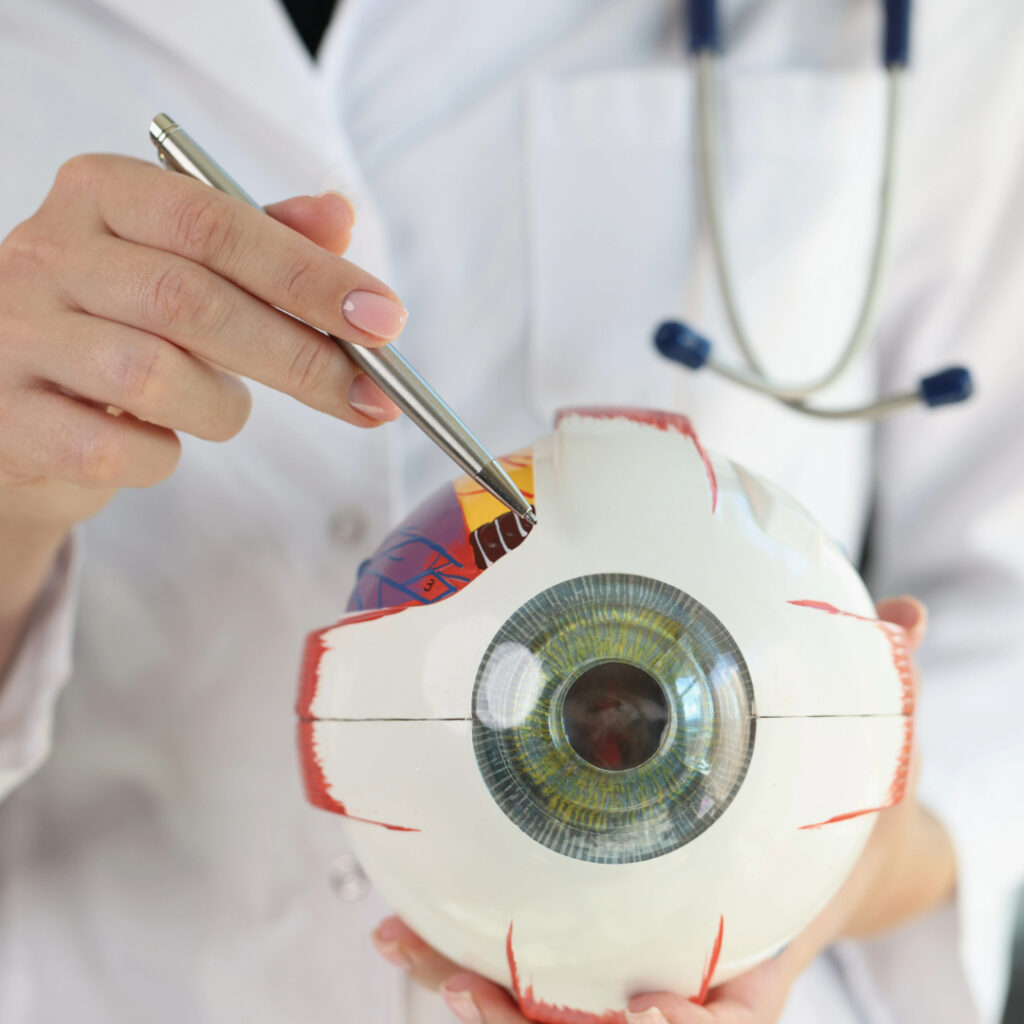
In addition to comprehensive specialist preventive examinations, our polyclinic offers a wide range of advanced ophthalmological methods and procedures. These include a detailed examination of the anterior segment of the eye, precise measurement of intraocular pressure, and a thorough fundus examination, all performed using the latest technology for accurate diagnosis and continuous monitoring of your eye health. Furthermore, we place special emphasis on ophthalmological examinations for children, including the diagnosis and correction of strabismus and reduced visual acuity, in order to ensure proper eye development and long-term visual health from the earliest age.

General ophthalmological examination, diagnosis and treatment of eye diseases

A general ophthalmological examination is a basic procedure that enables assessment of the overall health of the eyes and vision. During the examination, the doctor uses various methods and instruments, such as a biomicroscope and tonometry, to examine both the anterior and posterior segments of the eye. The goal of this examination is the early detection of problems such as refractive errors (myopia, hyperopia, astigmatism), infections, inflammations, as well as more serious conditions like cataracts or macular degeneration. Timely detection and diagnosis allow for effective treatment and help prevent further development of complications.

Aesthetic eyelid surgery

Blepharochalasis is a condition characterized by relaxation and atrophy of the eyelid tissue, leading to loss of skin elasticity and tone. This can result in drooping eyelids and aesthetic changes in the eye area. This condition can significantly affect not only a patient’s appearance but also functionality, as excess eyelid skin may interfere with vision. Within aesthetic ophthalmology, surgical intervention such as blepharoplasty is used to remove excess skin and restore natural tissue tension, thereby improving not only aesthetic appearance but also eye functionality. Blepharochalasis most commonly occurs in older individuals, but it can also be present in younger patients due to genetic or other factors, and timely intervention significantly improves quality of life.

Painless

Minimal discomfort during and after the procedure.

Fast recovery

Return to daily activities within a few days after the procedure.

Long-lasting results

A fresh and rested appearance over a long period of time.

Eyelid surgery

Within eyelid surgery, we perform a wide range of procedures that include both aesthetic and curative interventions. Our treatments include removal of eyelid tumors, xanthelasma (yellowish fatty deposits), atheromas, fibromas, as well as chalazion (stye). In addition to the aesthetic aspect, these procedures are often medically necessary, as removing such changes not only improves appearance but also treats existing health issues and prevents further complications. Our team ensures that every procedure is performed precisely and safely, with a special focus on achieving long-lasting results and a fast recovery.

Glaucoma examination, diagnosis and treatment

Glaucoma is a chronic disease that damages the optic nerve and can lead to vision loss if left untreated. A glaucoma examination is a specialized assessment used to evaluate intraocular pressure (pressure inside the eye), optic nerve function, and the structure of the anterior segment of the eye. This examination includes tests such as perimetry, tonometry, and examination of the optic nerve head, enabling early detection of glaucoma. Treatment may include eye drops, laser procedures, or surgical interventions, depending on the stage of the disease.

Retinal examination, diagnosis and treatment of retinal diseases

The retina is the layer of the eye responsible for converting light signals into images that the brain can recognize, making its health essential for clear vision. A retinal examination provides a detailed insight into the condition of the retina using ophthalmoscopy or OCT (optical coherence tomography). Retinal diseases such as diabetic retinopathy, macular degeneration, or retinal detachment can seriously threaten vision. Early diagnosis is crucial for successful treatment, which may include medications, laser treatments, or surgical procedures.

Medical Center Badawi

For more information and appointment booking

Call us at 024 553 774, contact us via Viber or WhatsApp, or fill out the contact form, so we can find the first available appointment for your examination.
Kontakt • Poliklinika Badawi

Pediatric ophthalmological examination, diagnosis and treatment of strabismus, amblyopia and other conditions

Children require a special approach in ophthalmology, as many vision problems appear in the early years of life, and early intervention is crucial for proper visual development. A pediatric eye examination includes assessment of refractive errors, eye movement, and retinal function, with an emphasis on early detection of conditions such as strabismus (crossed eyes) and amblyopia (lazy eye). Timely treatment, including corrective glasses, patch therapy, or surgical interventions, can significantly improve a child’s vision.

Systematic ophthalmological examination of preschool children

Before starting school, children should undergo a detailed systematic ophthalmological examination to determine whether they have any vision problems that could interfere with learning and everyday activities. The examination includes testing distance vision, assessing eye muscle function, and, if necessary, referral for further treatment if issues such as farsightedness, nearsightedness, astigmatism, or eye coordination problems are detected.

Systematic ophthalmological examination of patients with diabetes

People with diabetes are particularly susceptible to retinal diseases such as diabetic retinopathy, which can lead to permanent vision loss if not treated. Regular ophthalmological examinations for diabetic patients include evaluation of the retina, monitoring of changes in blood vessels, and detection of early signs of disease. These examinations are essential for maintaining eye health in people with diabetes, as they enable timely intervention and treatment, such as laser procedures or medication.
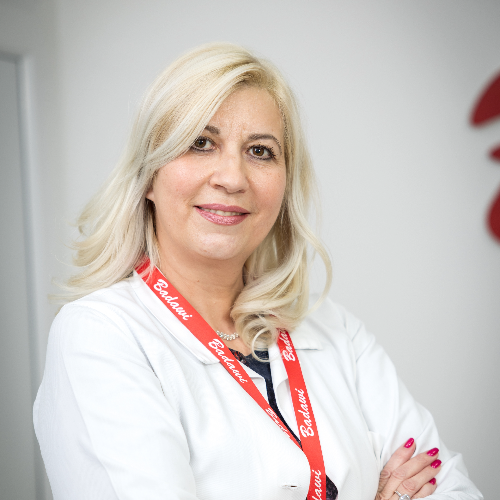
dr Lenka Loboda
tab-img-01
She was born on 13 September 1972. She graduated from the Semmelweis University Faculty of Medicine in Budapest in 1998, and completed her specialization in 2007 in Novi Sad. Knowledge and skills:
  • Comprehensive ophthalmological examination, diagnosis and treatment of eye diseases;
  • Glaucoma examination, diagnosis and treatment of glaucoma;
  • Retinal examination, diagnosis and treatment of retinal diseases;
  • Pediatric ophthalmological examination, diagnosis and treatment of strabismus, amblyopia and other conditions;
  • Systematic ophthalmological examination of preschool children;
  • Systematic ophthalmological examination of patients with diabetes;
  • Eyelid surgery.
Dr Tomislav Milošev
tab-img-01

Ophthalmology specialist. He was born on March 8, 1955. year.

Price list of services

We know that the price of services is a very important piece of information. We offer you an optimal balance between price and quality across all our services. View the complete price list of our services.